
GN Solids Control
We engineer, build and support custom slurry processing systems for single-truck contractors and for regional processing hubs, to help you divert waste from landfill, decrease dumping fees, and close the loop with reusable products. The HydroVac case study shows that plant running at up to 300m³ a day.
About GN Solids Control
Hydrovac and HDD work creates a lot of slurry, soil, sand, clay and water all mixed together. Our GN Solids Control systems separate it into reusable materials and clean water, so less goes to landfill and less water has to be brought in. The waste moves through multiple stages, from initial screening through to a decanter centrifuge that spins the fine solids out. Also called a hydrovac slurry processing system or slurry dewatering system.
Key Applications
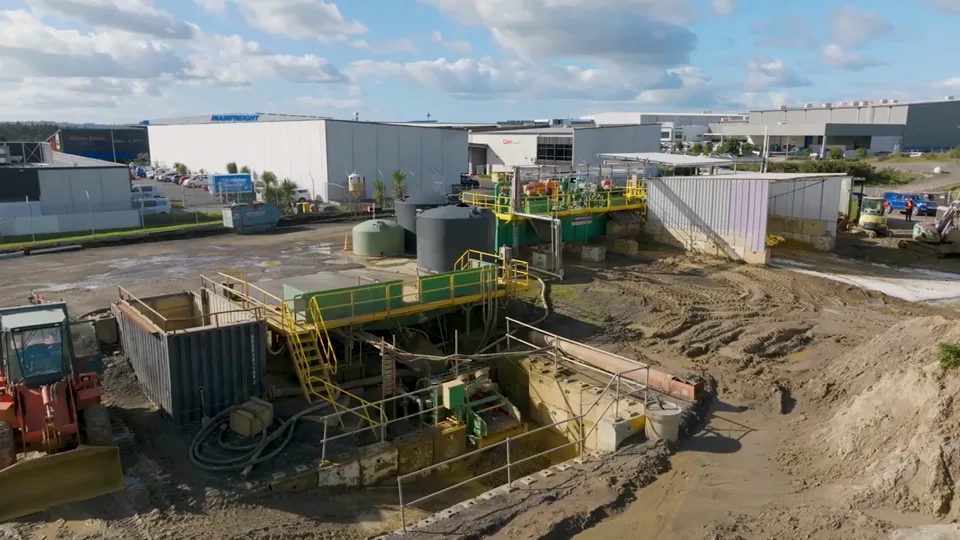
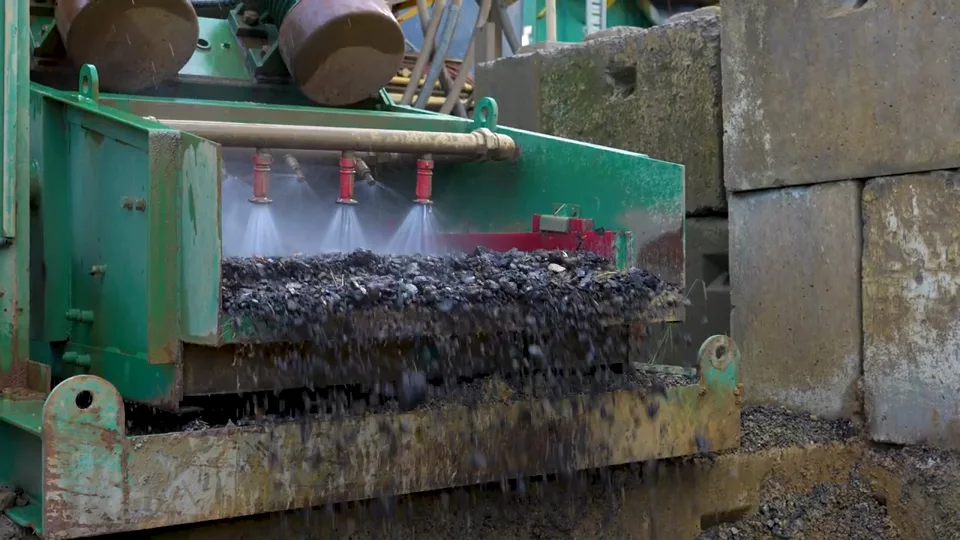
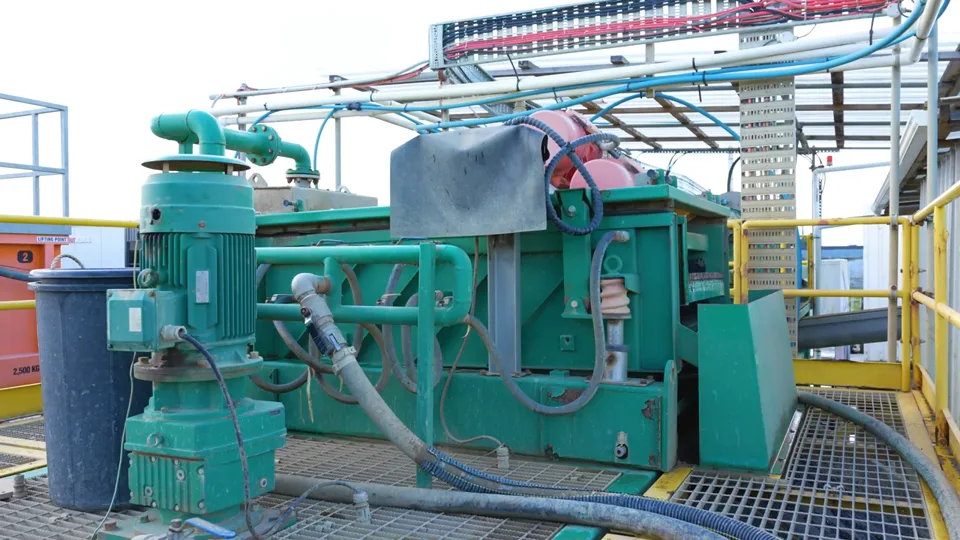
- Hydrovac Slurry Processing
Hydrovac spoil comes back wet, heavy and mixed with soil and sand, which is too costly to dump as is. The system screens and spins it down so the solids come out handleable and the water is recovered instead of hauled away.
- HDD and Directional Drilling Waste
Drilling fluid comes back loaded with sand, clay and rock that has to come out before that fluid is workable again. The fine shaker and decanter centrifuge pull those solids out, so less wet waste leaves site.
- Concrete and Stormwater Slurry
Washout and stormwater carry fine solids that can't just be washed into the drain. The system settles those fines out so the water can be routed to your nominated outlet and the solids handled as material, not sludge.
- Sand, Rock and Clay Recovery
Sand, rock and clay normally get buried with the rest of the spoil. Separated out, they come back as reusable material instead of waste. The HydroVac case study card below shows where that material ended up.
Proven in the Field
300m³/day
Processing capacity
Measured at the HydroVac site in West Auckland. Before this plant, that spoil went to landfill and the crews paid to haul water in. Your throughput depends on what your crews bring in.
60%
Waste diverted from landfill
Measured at the same HydroVac site, where most of what came in left as reusable material instead of being buried. The share you recover depends on your soil and how much water rides in with it.
120,000L
Water recycled on site
Measured at the HydroVac site, where the water goes straight back into their own trucks and they no longer pay for town water. What you recover depends on how wet your waste is.

From waste to resource: How our technology is helping HydroVac close the loop
The Materials Recycling Plant in West Auckland is a custom-designed facility incorporating GN Solids technology, supplied by Trenchmate. It separates hydroexcavation waste, stormwater and concrete slurry into reusable water, rock, sand and clay. The recovered water goes straight back into HydroVac's own trucks, removing their reliance on town water. More than 30 external contractors now use the facility.
Key numbers from the HydroVac case study: 300m³ waste processed a day, 120,000L water recycled daily and 60% waste diverted from landfill.
Read the HydroVac storyClosing the loop: where the solids and water go
Once the system has separated it, both halves have somewhere to go. For general setups, recovered water is stored and reused on site or, where your site allows, routed to a nominated outlet, and anything that can't be reused follows the usual disposal pathway. The HydroVac case study is where the loop runs end to end: at that West Auckland plant the recovered water goes straight back into the hydroexcavation trucks, which took the company off town water, recovered sand, rock and clay get a second life in construction, drainage, landscaping and turf, and around 60% of incoming waste stays out of landfill.
Two ways to run it
Most crews start with a small unit that sits with the truck. It takes the spoil off the vehicle, screens the water out and puts it back on site, so you are not driving a wet load to the tip.
Once you are running several trucks, a shared plant usually makes more sense. Slurry comes in from each crew and gets processed in one place, which spreads the cost across everything you bring in.
There is no off the shelf size that fits everyone. What you spend, how much room it needs and how fast it runs all depend on your soil, your volumes and your site, so we size each one to you. Got a number you need to hit, or want to know what your waste is costing you now? Talk to an Engineer and we will work it through with you.
See the system on site
Common questions
A decanter centrifuge spins slurry at high speed so the heavier solids pull away from the water. It handles the fine particles that are too small for the screens to catch, and comes out with a drier solid and clearer water than screening alone can manage.
A dewatering screen is a vibrating mesh that shakes the slurry so water drains through while the solids stay on top. It takes on the bulk of the sand and rock early on, which leaves less work and less weight for the stages that follow.
HDD stands for horizontal directional drilling, a trenchless way of running pipes and cables under roads, driveways and waterways. It uses drilling fluid to carry spoil back to the surface, and that fluid comes up mixed with sand, clay and rock. That is exactly the sort of wet, heavy waste this system separates so it can be reused or disposed of properly.
Hiring, compliance and site setup covered in more detail in our full FAQ.
Talk to an Engineer About Your Site Setup
Tell us what you're dealing with on site, your waste type, volume and timeline, and we'll recommend the right system.